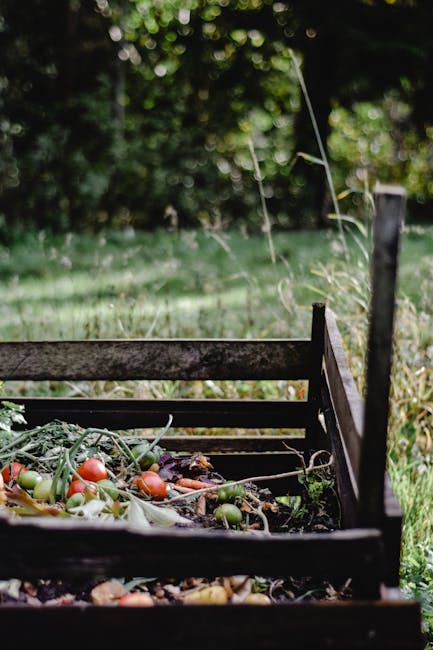
Lambeth Council compost and green waste rules for Balham gardeners
If you garden in Balham, the messy bits are rarely the fun bits. One minute you are clipping a hedge or deadheading borders, and the next you have a pile of prunings, grass cuttings, and soggy leaves wondering where they should go. That is where understanding Lambeth Council compost and green waste rules for Balham gardeners really pays off. Get it right, and you keep your garden tidy, reduce trips to the tip, and avoid avoidable mistakes. Get it wrong, and you can end up with contaminated compost, awkward collections, or a very unhelpful heap in the corner of the yard.
This guide breaks the topic down in plain English. You will learn what counts as green waste, how composting and collection usually work in practice, what to separate, what to keep out, and how to make life easier whether you garden a compact Balham courtyard or a larger back garden that seems to shed leaves for half the year. Let's face it, London gardens can be wonderfully lush and mildly chaotic.
Why Lambeth Council compost and green waste rules for Balham gardeners Matters
Green waste is one of those things that seems simple until you are standing over two bags, a trug, and a half-finished compost bin asking yourself, "Does this go in, or not?" For Balham gardeners, the stakes are practical as much as environmental. Lambeth's waste rules shape what can be composted at home, what should be kept out of general rubbish, and how garden debris is handled if you use a local collection route or a private garden service.
Why does this matter so much? Because compost works best when it is clean. Food scraps mixed with woody prunings, or weeds hidden among grass cuttings, can slow down decomposition and create problems you really do not want to smell on a warm afternoon. In a small London garden, even a modest amount of waste can build up quickly after a hedge trim or a few weeks of mowing. If you are keeping on top of the garden with regular garden maintenance, the volume may be manageable. If you have just finished a bigger seasonal clear-up, you will need a more deliberate system.
There is also a council-wide sustainability angle. Composting and separating green waste reduces the amount of material that goes to landfill or incineration. That is good for the environment, but it is also good housekeeping. A garden that is managed sensibly feels calmer. Not glamorous, perhaps. But definitely calmer.
Expert summary: The smartest approach for Balham gardeners is to separate clean green waste early, compost what you can safely compost at home, and only use disposal routes for the material that genuinely cannot stay on-site.
How Lambeth Council compost and green waste rules for Balham gardeners Works
At a practical level, the system usually comes down to three questions: what is the material, can it be composted, and how should it leave your garden? In day-to-day terms, green waste means biodegradable garden material such as grass cuttings, leaves, soft plant trimmings, and some smaller prunings. Composting means allowing that organic material to break down into a soil-enriching amendment, either in a home compost bin or through a larger-scale process if you are using a collection service.
Home composting is the simplest starting point if you have even a small outdoor space. A sheltered corner, a compost bin, and the right mix of green and brown material can handle a surprising amount. But there are limits. Thick woody branches, large root balls, diseased plant matter, invasive weeds, and any contaminated debris usually need a different route. You do not want to feed your compost heap anything that will spread problems later on. That is the short version, anyway.
For many Balham households, the split looks like this:
- Compost at home: soft plant waste, leaf mould material, small amounts of grass, fruit and veg peelings if your bin allows them.
- Separate for green waste collection or removal: larger garden clear-up loads, bulky hedge trimmings, heavy grass cuttings, and mixed organic waste that is too much for the compost bin.
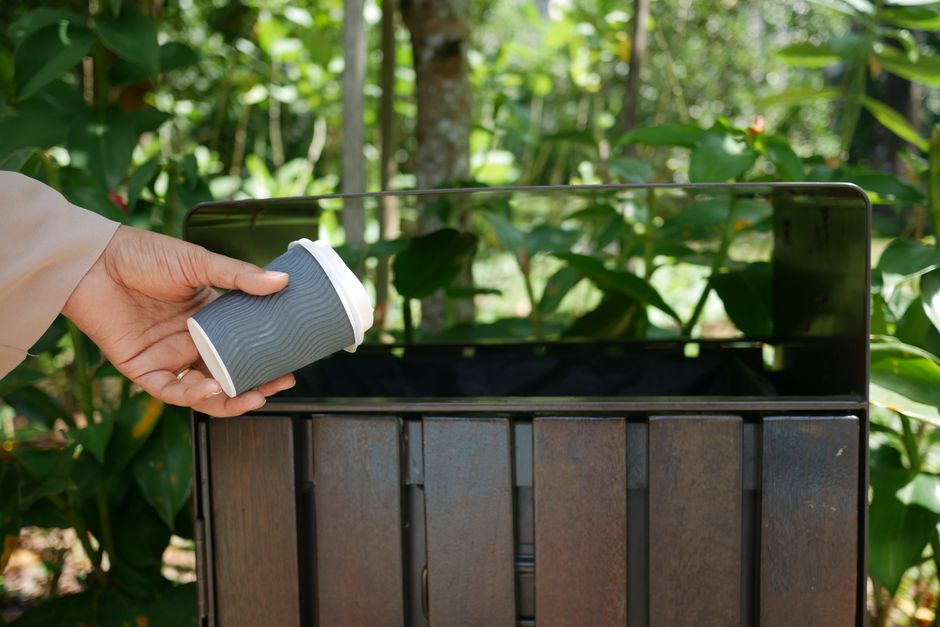
- Keep out of green waste: plastic plant pots, wire, treated timber, stones, soil spoil, rubble, and household rubbish.
If you are handling a larger job such as overgrown beds or a neglected front and rear garden, a dedicated clearance approach may be more realistic. In that case, services like garden clearance and tree lopping and removal can help when the waste is too bulky for a simple compost setup. That is often the point where people realise composting and disposal are not the same thing. They are related, yes, but not identical.
Key Benefits and Practical Advantages
When the system is working properly, the benefits are very real. The first is cost control. Composting and separating waste at source reduces what you need to pay to remove, collect, or transport. The second is quality. Homemade compost, if handled properly, can be excellent for borders, planters, and soil improvement. It returns organic matter to the garden instead of sending it away.
There is also a time-saving angle. It may sound odd at first, but a tidy waste routine speeds up your gardening. If you already have a place for clippings, leaves, and spent stems, every job becomes a little more straightforward. You spend less time working out where things go and more time actually doing the garden job. That sounds obvious, but so many people skip that part.
Other practical advantages include:
- Better soil structure: compost helps retain moisture and improve texture, especially in tired beds.
- Less waste build-up: routine sorting prevents one big overwhelming pile after a few weekends of work.
- Cleaner working habits: separating green waste reduces contamination and keeps your bins more manageable.
- More sustainable gardening: it supports the wider aim of recycling and reusing organic matter.
If you are updating the garden more broadly, good waste handling fits neatly alongside other work such as lawn mowing and hedge trimming. In other words, the waste rules are not a side issue. They are part of proper garden care.
Who This Is For and When It Makes Sense
This applies to a fairly wide range of people, not just keen gardeners with compost thermometers and a philosophical relationship with leaf mould. If you live in Balham and look after even a small garden, the rules matter. Ten minutes of pruning can create more waste than you expect. A one-off tidy-up after winter can create a lot more.
It is especially relevant if you are:
- keeping a small patio garden tidy and want to reduce waste bags
- managing shrubs, beds, and lawn edges on a regular basis
- preparing a garden for sale or letting and need it presentable fast
- dealing with seasonal leaves, cuttings, and end-of-year clearances
- choosing between home composting and a professional clearance or maintenance visit
For some gardens, composting is a neat fit. For others, especially if there is heavy growth, awkward access, or a mix of green waste and non-organic debris, a managed service may be the better call. That is where garden maintenance can be useful, because routine visits keep waste volumes smaller and easier to handle. If your garden project goes beyond upkeep into structural changes or reworking beds and hard landscaping, you may also want to look at landscape gardening or broader landscaping.
Truth be told, the people who benefit most are the ones who dislike mess. Which, to be fair, is most of us.
Step-by-Step Guidance
If you want a straightforward system, use this sequence. It keeps the whole process sensible and avoids the "I'll sort it later" trap, which is rarely a trap you enjoy falling into.
- Separate the waste as you work. Keep a tub, trug, or bag for soft green waste, and another container for non-compostable debris.
- Identify what can be composted. Soft stems, grass cuttings, dry leaves, and healthy plant matter are usually the first candidates.
- Remove contaminants immediately. Pull out labels, string, plastic ties, and anything else that does not belong. Tiny bits matter more than people think.
- Mix green and brown material. Too much grass goes slimy; too many dry leaves can make the heap dry and slow. A balance works better.
- Keep diseased or invasive material separate. If in doubt, do not compost it at home.
- Decide whether to compost, store, or remove. A small amount can go in the bin. A bigger clear-up may need a collection or clearance plan.
- Use the finished compost wisely. Let it mature, then apply it as a mulch or soil improver rather than expecting it to do everything at once.
A useful habit is to sort waste before it piles up. It only takes one rainy afternoon for damp clippings to become heavy, awkward, and far less pleasant to deal with. If your garden tends to generate more debris than your compost bin can take, you may want to combine routine upkeep with occasional pricing and quotes review so you can plan properly rather than react at the last minute.
Expert Tips for Better Results
Good composting is not about brute force. It is about consistency and a bit of judgement. In our experience, the best results come from gardeners who treat green waste like a resource, not a nuisance.
Here are a few practical tips that make a genuine difference:
- Chop waste before composting. Smaller pieces break down faster and more evenly.
- Keep the heap airy. Compost needs oxygen. A compact, waterlogged pile can turn sour.
- Add dry brown material regularly. Shredded cardboard, dry leaves, or woody mulch material can help balance moisture.
- Do not overdo grass clippings. Thick layers mat together and stop air movement.
- Store waste under cover if needed. In a wet spell, a simple cover can stop the heap becoming a sodden mess.
- Use finished compost at the right stage. Freshly made material is not always ready for direct planting. Give it time.
A small London garden often has microclimates. A shady fence line may stay damp, while a south-facing patch dries out quickly by lunchtime. That means the same composting setup can behave differently from one corner to another. Worth noticing, really. A quick tweak often solves what looked like a bigger problem.
If waste management is part of a wider tidy-up, services like recycling and sustainability can help you think about reuse and disposal in a more joined-up way.
Common Mistakes to Avoid
Most compost and green waste problems come from a handful of predictable errors. The good news is they are easy to avoid once you know what to watch for.
- Putting the wrong material in the compost. Plastic, metal, treated timber, and rubble do not belong there.
- Trying to compost everything. Some material is better removed, especially diseased plants, thick branches, or invasive weeds.
- Ignoring moisture balance. A heap that is too wet smells; one that is too dry stalls.
- Letting waste sit too long. Piles of damp green waste attract flies and become harder to manage.
- Mixing general rubbish with garden waste. This is one of the fastest ways to contaminate a load.
- Using immature compost on delicate plants. It may still be breaking down and can behave unpredictably in beds.
A common Balham scenario is the weekend tidy-up after a run of mild weather. The lawn grows fast, the borders get a bit wild, and suddenly there are bags everywhere. If you do not separate as you go, you end up with mixed waste and a much bigger sorting job later. Not ideal. Far from it.
Tools, Resources and Recommendations
You do not need a lot of gear, but the right basics make a huge difference. A decent compost bin, a garden fork or aerator, sturdy gloves, and a few breathable sacks or containers are usually enough for small-scale work. If you are clearing a larger area, wheelbarrows, tarpaulins, and loppers help keep the job under control.
Practical recommendations:
- Compost bin: best for regular small-to-medium organic waste.
- Ventilated storage bags: useful for short-term holding of dry leaves or prunings.
- Garden fork: helps turn and aerate the heap.
- Gloves and secateurs: essential for sorting and reducing waste volume.
- Tarpaulin: ideal for temporary stacking or moving waste cleanly.
If you are not sure whether to maintain the garden yourself or bring in help, a good starting point is the services overview. It gives you a sense of what can be handled as routine upkeep versus what needs a more specific clearance or trimming job. And if safety matters to you - it should - the pages on health and safety policy and insurance and safety are worth a look before hiring any external help.
Law, Compliance, Standards, or Best Practice
For a topic like this, it is sensible to be careful with wording. Waste handling rules can involve council requirements, environmental expectations, and basic duty-of-care principles. The exact arrangements may change, so the safest approach is to follow the current guidance from Lambeth Council and use best practice for sorting, storing, and presenting waste.
In plain terms, good practice usually means:
- keeping recyclable or compostable garden material separate from general rubbish
- avoiding contamination of green waste loads
- not placing prohibited material into compost bins
- disposing of waste safely and responsibly
- making sure any contractor you use handles waste lawfully and carefully
If you are managing a rented property, shared space, or a front garden that affects neighbours, tidy waste handling becomes even more important. Overflowing bags or loose cuttings can create nuisance, and nobody wants that conversation on a Monday morning. The rule of thumb is simple: keep it neat, keep it separate, and keep it compliant.
Options, Methods, or Comparison Table
For Balham gardeners, there are usually three realistic ways to deal with green waste. The best option depends on space, time, and the type of material you produce.
| Method | Best for | Advantages | Limitations |
|---|---|---|---|
| Home composting | Regular soft waste and small volumes | Low cost, sustainable, useful compost for beds | Needs space, time, and correct sorting |
| Council green waste route | Routine disposal where available | Convenient and familiar for household waste streams | Usually limited to certain material types and presentation rules |
| Professional garden clearance | Large jobs, bulky cuttings, overgrown gardens | Fast, efficient, reduces manual effort | Less direct control over reuse, may cost more than DIY |
If the garden is kept on a weekly or fortnightly rhythm, home composting plus light maintenance often works well. If you have one big spring clear-up or a neglected patch that needs a reset, professional help may be the more practical route. There is no prize for suffering through a giant pile of ivy cuttings by yourself. None.
Case Study or Real-World Example
Picture a typical Balham back garden in early autumn. The lawn has been cut a few times, the borders have thrown up a steady stream of stems, and the hedge has had a tidy-up after summer. The owner starts with good intentions, tossing everything into one pile for "later sorting." By Sunday afternoon the pile is damp, mixed with a few bits of plastic tie, and growing less pleasant by the hour.
Now compare that with a more organised approach. The grass goes into one container. Soft plant cuttings go into another. Woody stems are stacked separately for chopping down or removal. Plastic ties are picked out on the spot. A small compost bin takes the clean material, while the bulky remainder is booked for collection or cleared as part of a maintenance visit. The result is cleaner, faster, and strangely satisfying. You notice the difference immediately because the garden feels lighter, not just tidier.
That is the real value of understanding the rules. It is not about bureaucracy for its own sake. It is about making the garden manageable, week after week, without waste turning into another job on the list.
Practical Checklist
Use this quick checklist before you bag up or compost anything:
- Have I separated green waste from general rubbish?
- Is the material healthy and suitable for composting?
- Have I removed plastic, wire, tags, and other contaminants?
- Is there too much grass clippings in one place?
- Do I need to chop or shred larger pieces first?
- Is the compost heap balanced between wet and dry material?
- Do diseased plants or invasive weeds need a different disposal route?
- Will the volume fit my bin, compost bin, or storage space?
- Am I dealing with a simple tidy-up or a larger clearance job?
- Would a professional service save time and reduce hassle?
That last question matters more than people expect. Sometimes the clever move is not doing everything yourself. Sometimes it is simply choosing the least annoying route. That is perfectly valid.
Get a free quote today and see how much you can save.
Conclusion
For Balham gardeners, Lambeth Council compost and green waste rules are really about keeping your gardening routine clean, practical, and sustainable. The basics are simple enough: separate properly, compost what you can, keep contaminated material out, and use the right disposal route when the volume or type of waste goes beyond what your compost bin can handle.
Once you get into the habit, the system becomes second nature. A few good decisions at the start save time, reduce mess, and make every future gardening job easier. And that, in the end, is what most people want: a garden that feels under control without becoming a second job.
If you are planning a bigger seasonal tidy-up, or you want help keeping things manageable throughout the year, you can explore garden maintenance or speak to the team through the site's contact us page. A little structure goes a long way, and a tidy garden has a quiet kind of satisfaction to it.
Small steps, done well, add up beautifully.
Frequently Asked Questions
What counts as green waste for Balham gardens?
Green waste is usually organic garden material such as grass cuttings, leaves, soft pruning, small stems, and other biodegradable plant debris. It is best kept separate from household rubbish and non-organic items.
Can I put all garden waste straight into compost?
No, not all of it. Soft healthy plant material is usually fine, but large woody branches, diseased plants, invasive weeds, and contaminated debris are often better handled separately. Compost likes the right ingredients, not everything thrown in at once.
Do Lambeth Council rules allow home composting?
Home composting is generally a sensible and common way to manage suitable garden waste, but you should still follow current council guidance and use good practice. Keep the compost clean, balanced, and free from the wrong materials.
What should I do with hedge trimmings after pruning?
Small, clean hedge trimmings can often be composted or used as part of a green waste load. If there is a lot of it, or if the branches are woody and bulky, it may be easier to separate them for collection or clearance.
Can grass cuttings go on the compost heap?
Yes, but in moderation. Grass is very wet and can compact quickly, so it works better when mixed with dry brown material such as leaves or shredded cardboard. A little goes a long way.
What should I avoid putting in green waste bags?
Avoid plastic, wire, stones, soil spoil, treated timber, general rubbish, and any non-garden material. Contamination causes problems whether you are composting at home or preparing waste for collection.
What if my garden is too small for a compost bin?
If space is limited, you can still separate waste for later disposal or arrange periodic garden clearance. Small gardens often benefit from regular maintenance so waste does not build up in the first place.
Is it better to compost or hire a garden clearance service?
It depends on volume and time. Composting is ideal for routine organic waste and long-term soil improvement. A clearance service makes more sense when the waste is bulky, urgent, or mixed with material that should not go in compost.
How can I tell if compost is ready to use?
Finished compost is usually dark, crumbly, and earthy-smelling rather than sharp or sour. If it still looks very recognisable as raw waste, give it more time before using it on beds or pots.
Do I need to sort green waste before a professional team arrives?
It helps, but it is not always essential. Clear separation makes the job faster and may reduce confusion on site. If you have a bigger job, a professional service can usually advise on the best setup before work begins.
What happens if green waste gets mixed with general rubbish?
It becomes contaminated and may no longer be suitable for composting or easy recycling. That can create extra handling, extra cost, or simply more waste going the wrong way. Best to keep the streams separate from the start.
Where can I get help with larger garden waste jobs in Balham?
For larger clear-ups, overgrown gardens, or routine upkeep that keeps waste under control, it can help to look at garden clearance and broader services overview information to decide what fits your garden best.